Research Productivity: How Business Apps Make the Best Tools for Researchers
Our goal here at Paperpile is to increase productivity of researchers. We build software that makes it easier to organize and write academic papers.
We’ve often wondered what else we can do to help researchers work smarter and be more productive. The answer, we found, is surprisingly simple. It’s all about choosing the right tools. So today, we’re launching a 5-part blog post series introducing a hand-picked selection of productivity tools that all researchers need to know.
Chances are you already know some of these tools. Chances are also that you know somebody who knows none of them… So please share and help spread the word.
Google Docs ♥ Paperpile
It’s been nearly two years since we released the first public version of Paperpile, a reference manager built from scratch for the web. During this time, Paperpile has grown into a fully featured tool used by thousands of researchers every day to find, collect, manage, read, annotate, share and write papers, boosting their academic productivity.
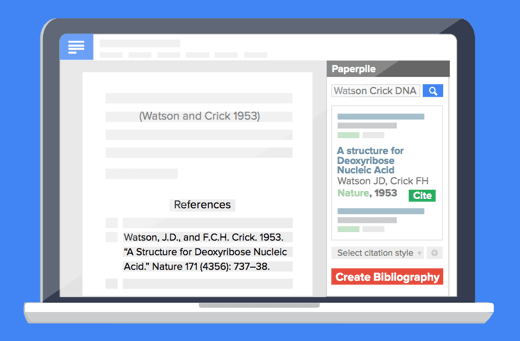
Today, we’re delighted to announce the release of a free fully featured citation manager as a standalone product that works with Google Docs, enabling you to collaboratively write papers and grants. Now everyone can add citations and bibliographies to a Google Doc, no account or sign-up is required.
Add our citation app in one click from the Google Docs add-on store!
Writing a paper in Google Docs the Paperpile way works like this:
- Install the Google Docs add-on
- Invite your colleagues to your documents and ask them to install the add-on.
- Add citations, here’s our cheat sheet
Cite everything - with confidence
With Paperpile, citing journal articles and books has always been simple and straightforward. However, over time our support forum and inbox filled up with questions like: “How do I cite a medieval manuscript?” or “How do I cite an ISO standard?”.
We’ve updated Paperpile’s data model with two goals in mind: (i) remove any limitations and allow users with advanced requirements to correctly store and cite any research material they want and (ii) keep things simple and don’t introduce complexity for anyone else.
We also added support for citations in other languages than English. For example, a German student can write a Bachelor’s thesis in German and reformat citations and the bibliography with one click to submit it to an English language journal. Here are all the details.
What's new with labels?
With the latest update of Paperpile it’s even easier and more flexible than ever to label your papers. If you are a power user of labels and have dozens or even hundreds of labels in your library you should not miss this post.
Bring more science to Twitter with Paperpile
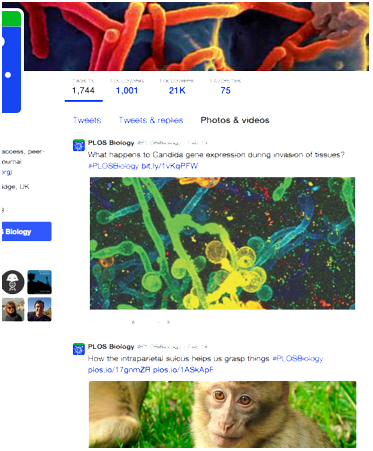
There can never be enough science on Twitter. Following user requests and discussions on our forum, we’ve now added a way to quickly share papers on Twitter (and Facebook and Google Plus). Read on to learn about the new feature and other improvements we’ve made to sharing.